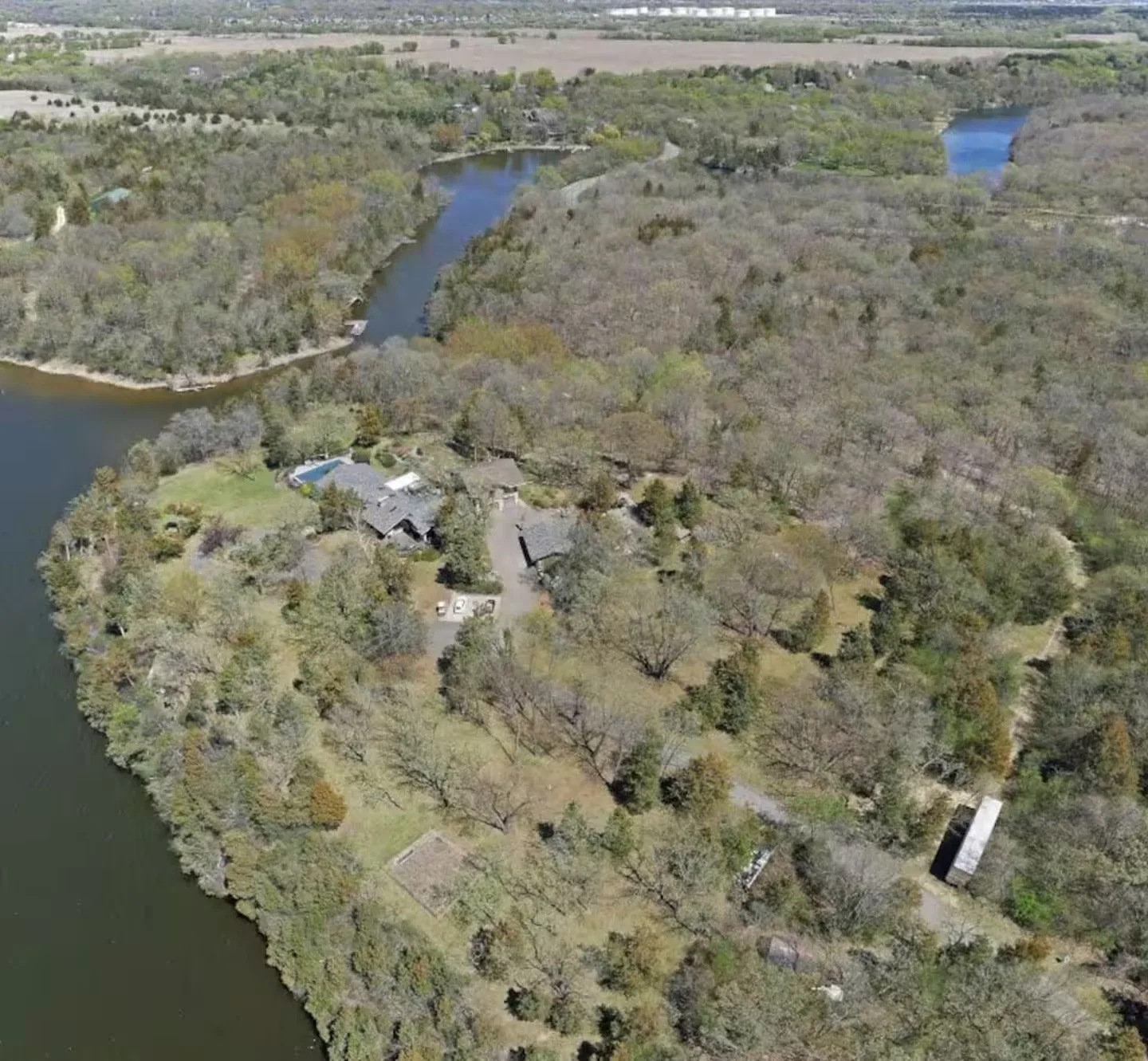
Aerial view of historic Grey Cloud Point and the Mississippi River landscape

The story beneath the stay

An island with a memory.

Grey Cloud Island’s story reaches far beyond this cabin—from generations of Dakota life to river trade, farming, and the name the island carries today.

Begin the island story
Grey Cloud Point and the broader island landscape today

A place before it was a destination

To stay here is to enter a much older story.

Grey Cloud Island has a long history of Indigenous presence and is especially significant in the history of the Mdewakanton Dakota. Historical sources place a Dakota village led by Medicine Bottle on the northwestern part of the island during the 1830s.

This short account is meant as a respectful, sourced introduction—not the final word. Dakota history continues in the present, and the island remains a living community rather than a museum.

A brief island timeline

Land, water, people, and change.

Long before
written records

A culturally significant landscape

Generations of Indigenous presence

Grey Cloud Island Township’s historical overview describes a long record of Native settlement, including Woodland and later Mississippian cultural sites. The island contains culturally sensitive archaeological features that should be protected—not treated as visitor attractions.

1830s

Medicine Bottle’s village

A Mdewakanton Dakota community

About forty Mdewakanton Dakota families led by Medicine Bottle established a village on the northwestern part of Grey Cloud Island after moving from Kaposia. Historical accounts describe bark lodges, gardens and fields, fishing, hunting, and community life shaped by the river.

1837–1838

Treaty and displacement

The village was required to move

Under the 1837 treaties, Dakota lands east of the Mississippi were ceded to the United States. Medicine Bottle’s community left Grey Cloud Island and relocated across the river near Pine Bend. The change was part of a much larger history of treaty pressure, land loss, and Dakota displacement.

1838–1846

The island receives its name

Grey Cloud Woman and her family

Fur trader Hazen Mooers, his wife Grey Cloud Woman, and their extended family moved into lodges the Dakota community had left behind, later building log houses and farming on the island. Andrew Robertson named the island for his mother-in-law, Grey Cloud Woman—also known as Margaret Aird or Margaret Mooers.

1846 onward

River industry and settlement

Farms, trade, limestone, and the Mississippi

The island became home to farms, river commerce, and limestone production. An historic lime kiln built around 1846 still marks this era, while changing water levels, transportation, and industry reshaped the surrounding landscape.

Today

A living island

Private homes within a nationally significant river corridor

Grey Cloud Island remains a small community within the Mississippi National River and Recreation Area. Its quiet landscape carries layers of Dakota, fur-trade, agricultural, industrial, and family history—and a responsibility to treat that history with care.

The namesake

Grey Cloud Woman

Maḣpiya Ḣota Wiŋ

Grey Cloud Woman was a Dakota woman of mixed Dakota and Scottish ancestry whose family connections were central to regional fur-trade life. She lived on the island with Hazen Mooers and their family from 1838 until the mid-1840s. The island’s enduring name honors her.

The village leader

Medicine Bottle

Mdewakanton Dakota

Medicine Bottle led the Dakota community that lived on the island before the 1837 treaty displacement. Historical sources identify him and Grey Cloud Woman as important figures in two connected but distinct chapters; they do not identify Grey Cloud Woman as his daughter.

Spirit Wood · Medicine Wood

A landscape understood as more than scenery.

A Washington County Historical Society account says the area around Medicine Bottle’s village was known as Spirit Wood, a name connected to a remarkable beech tree. Grey Cloud Island Township’s history also records Chanwakan—translated there as “Medicine Wood”—on the southern part of the island. Historical notes describe Medicine Bottle as both a counselor and a medicine man.

The owners have also received a local tradition that the island was believed to hold special healing power. We have not yet found a Dakota-authored or primary historical source that confirms that precise statement. For now, we preserve it as local oral history still being researched, not as a verified account of Dakota belief.

Local memory

Do you know a Dakota cultural source, family account, or archival record that can help document this tradition? We would welcome the opportunity to learn more before the public launch.

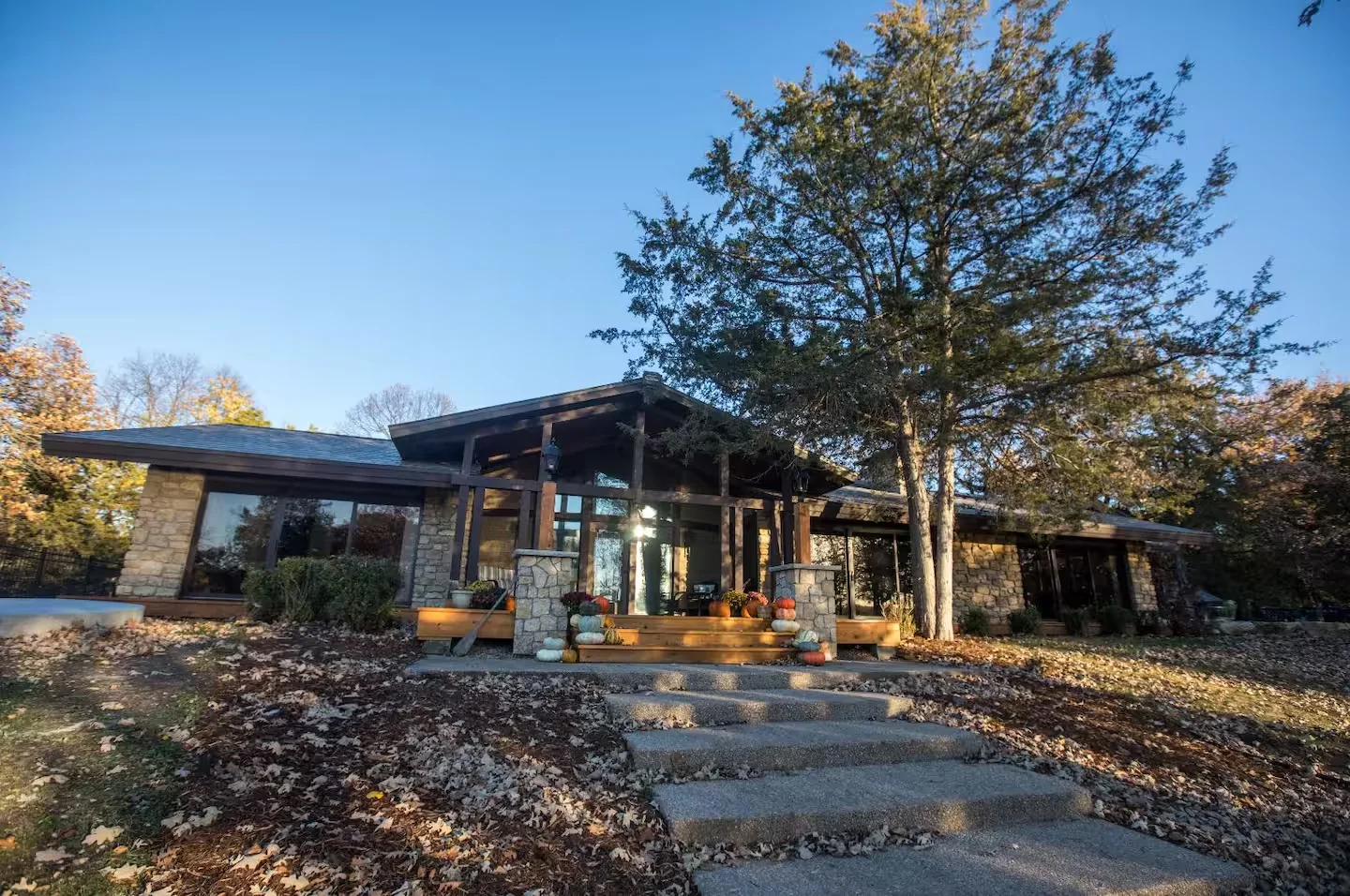
Grey Cloud Island cabin sheltered by mature trees

What we can say about this place

The retreat stands within the village’s historic island landscape.

Published histories place Medicine Bottle’s village on the northwestern or western part of Grey Cloud Island. The owners’ local understanding is that the modern property lies within that former village area.

Historic village boundaries do not translate neatly into modern parcel lines. Before the public website states that the cabin itself occupies a specific lodge or village site, we intend to seek archival or archaeological confirmation. That care makes the story stronger, not smaller.

Our approachShare what is documented, distinguish local knowledge from verified records, protect sensitive locations, and never turn Dakota history into a decorative marketing claim.

Continue learning

Public history and island resources.

These sources informed this private preview and are better starting points for research, public access information, and the broader Dakota history of Minnesota.

This page should be reviewed with a qualified local historian—and, where possible, Dakota cultural-history guidance—before the public launch of greycloudisland.com.

A rare place to gather

Come for the river. Leave knowing the island more deeply.

Explore the retreatSee the island in context
Check group datesThe whole retreat is yours